Fit guide
Getting the size right
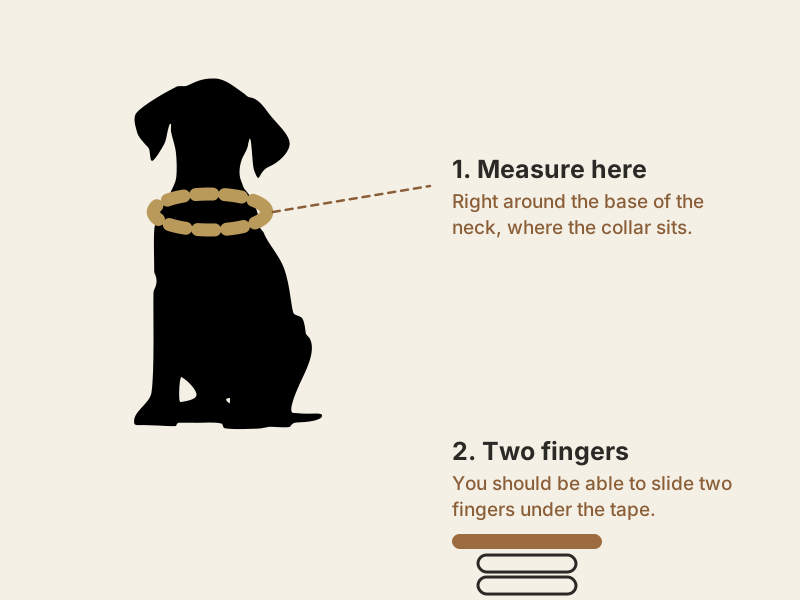
A collar that fits properly should sit at the base of the neck with room for two fingers underneath – snug enough that it can’t pull over the head, loose enough that it never presses. This page shows you how to measure, works out your size, and gives a breed guide for when you can’t get a tape near your dog.
How to measure
1. Find the base of the neck
Not just behind the ears – the neck narrows there, and a collar measured that high rides up under the jaw. Go lower, to the widest part just above the shoulders, where a collar naturally settles.
2. Two fingers under the tape
Slide two fingers flat between the tape and the coat, and take the measurement with them in place. Two fingers lying flat – not pushed in edgeways, not a whole hand. This is the clearance that makes a collar comfortable without making it an escape risk.
3. Read it off
Whatever number you get is your collar size – no need to add anything. No tape measure? Use string or a phone cable, mark where it meets, then hold it against a ruler. Most people find that easier than wrestling a tape around a wriggling dog.
A note on coats
Double-coated breeds measure bigger in winter than after a spring moult. If your dog carries a lot of coat, take a second measurement with your fingers pressed gently down to the skin and tell us both numbers.
Find your size
Enter the measurement from around the base of your dog’s neck.
Your size will appear here as you type.
The size chart
Every collar adjusts within its band. If you fall between two sizes, size up – a collar can always come in, but it can never go out.
| Size | Neck (cm) | Neck (inches) |
|---|---|---|
| XS | 20–28cm | 7.9–11.0" |
| S | 28–35cm | 11.0–13.8" |
| M | 35–43cm | 13.8–16.9" |
| L | 43–52cm | 16.9–20.5" |
| XL | 52–63cm | 20.5–24.8" |
Breed guide
A starting point, not an answer. Dogs vary enormously within a breed – two labradors from the same litter can be two sizes apart – so please treat this as a sanity check on a measurement rather than a substitute for one.
62 breeds
| Breed | Group | Typical neck | Usual size |
|---|---|---|---|
| Affenpinscher | Toy | 25–30cm | XS–S |
| Airedale Terrier | Terrier | 40–48cm | M–L |
| Akita | Working | 50–60cm | L–XL |
| Alaskan Malamute | Working | 50–60cm | L–XL |
| Basset Hound | Hound | 40–50cm | M–L |
| Beagle | Hound | 33–41cm | S–M |
| Bearded Collie | Pastoral | 40–48cm | M–L |
| Bernese Mountain Dog | Working | 50–60cm | L–XL |
| Bichon Frise | Toy | 25–32cm | XS–S |
| Border Collie | Pastoral | 36–46cm | M–L |
| Border Terrier | Terrier | 30–38cm | S–M |
| Boston Terrier | Utility | 33–41cm | S–M |
| Boxer | Working | 45–55cm | L–XL |
| Bull Terrier | Terrier | 43–51cm | L |
| Bulldog | Utility | 43–53cm | L–XL |
| Cavalier King Charles Spaniel | Toy | 28–35cm | S |
| Chihuahua | Toy | 20–26cm | XS |
| Chow Chow | Utility | 45–55cm | L–XL |
| Cockapoo | Crossbreed | 30–40cm | S–M |
| Cocker Spaniel | Gundog | 33–41cm | S–M |
| Dachshund (Miniature) | Hound | 25–32cm | XS–S |
| Dachshund (Standard) | Hound | 33–40cm | S–M |
| Dalmatian | Utility | 43–52cm | L |
| Doberman | Working | 48–58cm | L–XL |
| English Setter | Gundog | 43–52cm | L |
| English Springer Spaniel | Gundog | 38–46cm | M–L |
| French Bulldog | Utility | 35–43cm | M |
| German Shepherd | Pastoral | 48–58cm | L–XL |
| Golden Retriever | Gundog | 43–53cm | L–XL |
| Great Dane | Working | 55–63cm | XL |
| Greyhound | Hound | 38–46cm | M–L |
| Hungarian Vizsla | Gundog | 40–48cm | M–L |
| Irish Setter | Gundog | 43–51cm | L |
| Jack Russell Terrier | Terrier | 28–36cm | S–M |
| Labradoodle | Crossbreed | 38–50cm | M–L |
| Labrador Retriever | Gundog | 43–53cm | L–XL |
| Lhasa Apso | Utility | 28–35cm | S |
| Lurcher | Hound | 38–48cm | M–L |
| Maltese | Toy | 22–28cm | XS |
| Miniature Schnauzer | Utility | 33–40cm | S–M |
| Newfoundland | Working | 55–63cm | XL |
| Old English Sheepdog | Pastoral | 48–58cm | L–XL |
| Papillon | Toy | 20–27cm | XS |
| Pomeranian | Toy | 22–29cm | XS–S |
| Poodle (Miniature) | Utility | 28–36cm | S–M |
| Poodle (Standard) | Utility | 40–50cm | M–L |
| Poodle (Toy) | Toy | 22–29cm | XS–S |
| Pug | Toy | 33–40cm | S–M |
| Rhodesian Ridgeback | Hound | 48–58cm | L–XL |
| Rottweiler | Working | 53–63cm | XL |
| Saint Bernard | Working | 55–63cm | XL |
| Samoyed | Pastoral | 45–55cm | L–XL |
| Shar Pei | Utility | 45–55cm | L–XL |
| Shetland Sheepdog | Pastoral | 33–40cm | S–M |
| Shih Tzu | Utility | 28–35cm | S |
| Siberian Husky | Working | 43–53cm | L–XL |
| Staffordshire Bull Terrier | Terrier | 40–50cm | M–L |
| Weimaraner | Gundog | 45–55cm | L–XL |
| Welsh Corgi | Pastoral | 35–43cm | M |
| West Highland White Terrier | Terrier | 30–38cm | S–M |
| Whippet | Hound | 33–40cm | S–M |
| Yorkshire Terrier | Toy | 20–27cm | XS |
Lead lengths
My standard lead is 1.2m, which suits most pavement and park walking: long enough that your dog isn’t held tight to your leg, short enough to stay out of the mud and off other people. If you want something shorter for town, or longer for open ground, say so when you order and we’ll make it to length at no extra cost.
Got your number?
Everything is made to order around your measurement, so once you know the size you can choose your strap colour and hardware finish.